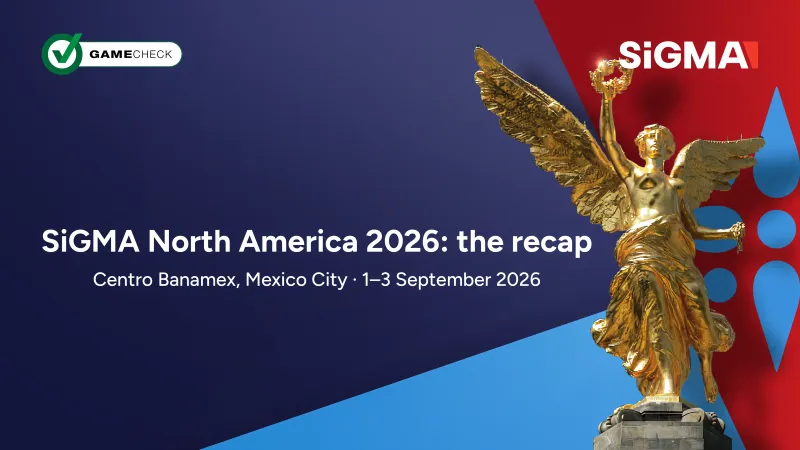
SiGMA North America has wrapped up in Mexico City, closing out its first ever edition after three days at Centro Banamex. Around 4,000 delegates, 1,000 operators and more than 150 speakers came together for a summit built specifically around the Spanish-speaking Latin American market, and now that the show floor has emptied out, it's worth taking a step back to think about what an event like this means for players.
One of the sessions worth reflecting on was: '48 Hours to Fallout: How iGaming Crises Unfold in Mexico & LATAM', featuring Rosa Ochoa, Founder of Blue Global Gaming and Business Development LATAM at Gamecheck. Sessions like this shift the conversation away from abstract risk, toward something more useful for players: how quickly things can go wrong, and what that means for the choices they make every day.

To understand why SiGMA chose to launch a dedicated North America edition this year, it helps to understand what has been happening in the region's online casino gaming industry.
Mexico's market has grown quickly, shaped by a mix of established land-based operators moving online alongside newer digital-first platforms entering a market that has, until recently, had relatively few dedicated regional events of its own. Mexico City's position as one of Latin America's largest and most connected capitals has made it a natural base for operators looking to reach not just Mexican players but the wider Spanish-speaking LATAM region beyond. A young, increasingly mobile-first population has meant demand for online casino gaming has grown quickly, helped along by the rapid adoption of local digital payment methods and near-universal smartphone use in the country's major cities.
Growth at this pace brings real benefits for players: more platforms, more competition, and more investment in the kind of technology and player experience that a maturing market eventually demands. But it also means player trust has to work harder to keep up. New operators can launch and build a following faster than any regulatory framework can realistically track, and that gap is exactly where rogue operators tend to find room to offer fake games before player awareness has caught up with market growth.
That tension sat underneath a lot of the conversations at SiGMA North America this week, even in sessions that weren't explicitly about player protection. It's the kind of question worth asking whenever a market grows this quickly: has trust grown at the same pace as everything else? For Mexico, and for the wider LATAM region SiGMA North America was built to represent, the honest answer this week seemed to be: not quite yet, but the conversation has clearly started.
It is easy to think of player protection as something that happens after a problem, a dispute, a lost deposit, a site that quietly disappears. What events like SiGMA North America do well is put that conversation earlier in the process, before a player has ever placed a bet, which is exactly where it belongs. That shift, from reacting to problems to preventing them, is arguably the most important theme to come out of this debut edition.
None of this is about assuming the worst of every new platform. Most operators entering a growing market like Mexico's are doing exactly what they say they are. But it only takes a handful of rogue operators offering fake games to undermine confidence for everyone else, and a player has no easy way of telling the difference just by looking at a homepage. A new platform can look every bit as polished and trustworthy as an established one, right up until the games themselves are checked against the providers who built them.
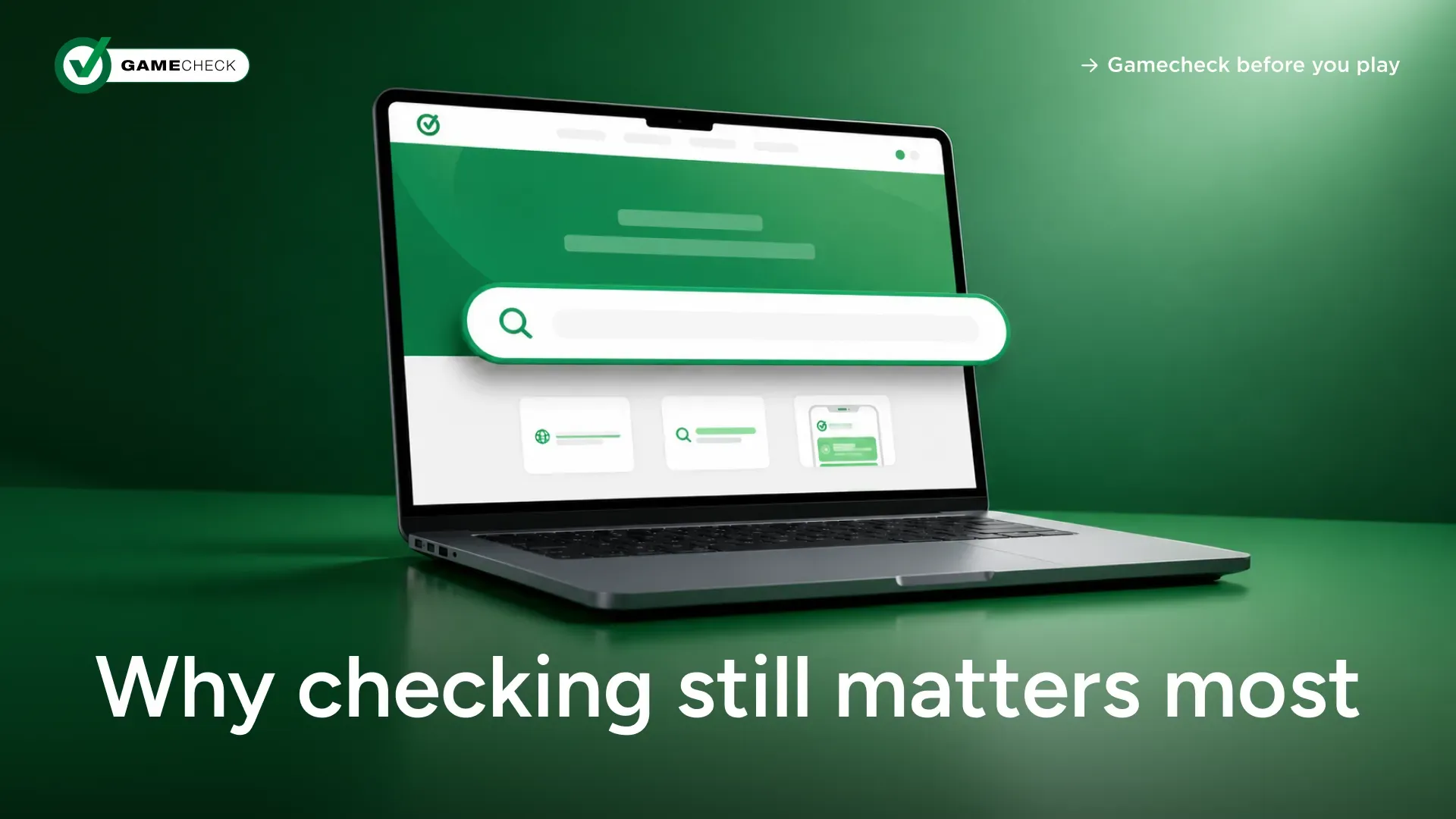
This is where a simple habit makes a real difference: checking before playing. Gamecheck's free tools make that straightforward. Pasting a website link into the free search tool takes a matter of seconds, and it tells a player whether the games on offer are real before they commit any money at all. For operators who have already been through that process, the Gamecheck SEAL displayed in their website footer gives players the same reassurance at a glance, backed by a check carried out directly with the original game providers, and confirmed through the Gamecheck app rather than a simple click that could easily be copied.
Knowing an online casino is offering real games is not a small thing. In a market moving as fast as Mexico's currently is, it may be one of the most valuable pieces of information a player can have, and one that costs nothing to access, thanks to Gamecheck.
For a debut event, SiGMA North America set a confident tone, and it feels like the start of something the region will keep building on. As Mexico's online casino gaming market continues to grow, and as more of Latin America looks to Mexico City as a hub for the industry's next stage, keeping player protection part of that conversation, rather than an afterthought, will matter more with every year the event returns. Gamecheck was glad to be part of that first conversation.
Whether or not this market is new to you as a player, the habit stays the same: check first, play after. Gamecheck's free tools make that possible in seconds, wherever in the world you're playing.
Published On: Sep 04, 2026
Updated On: Oct 26, 2026
Join operators using Gamecheck SEAL to protect players and grow credibility.